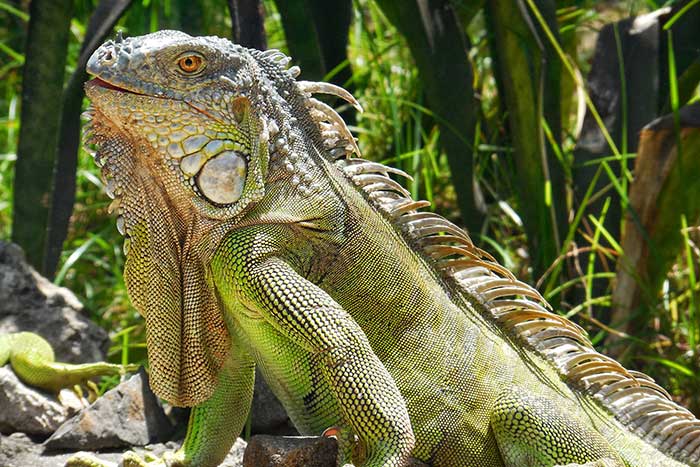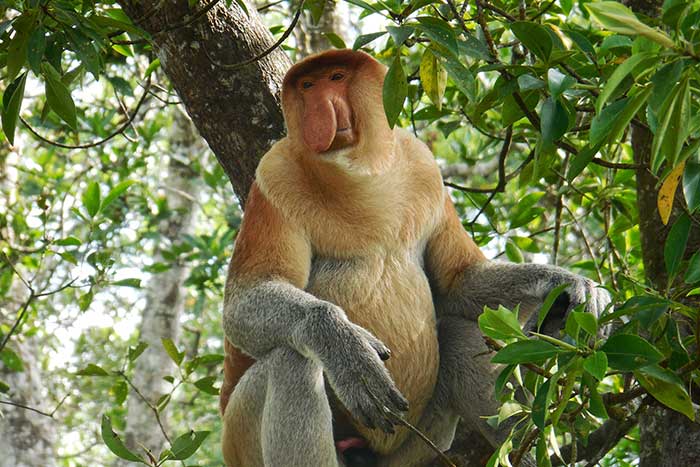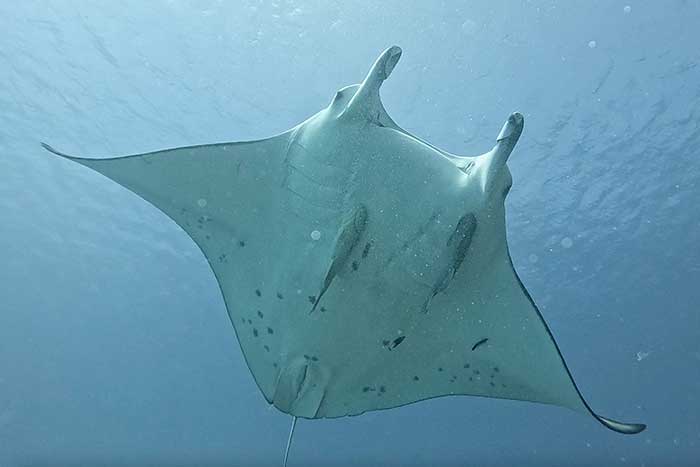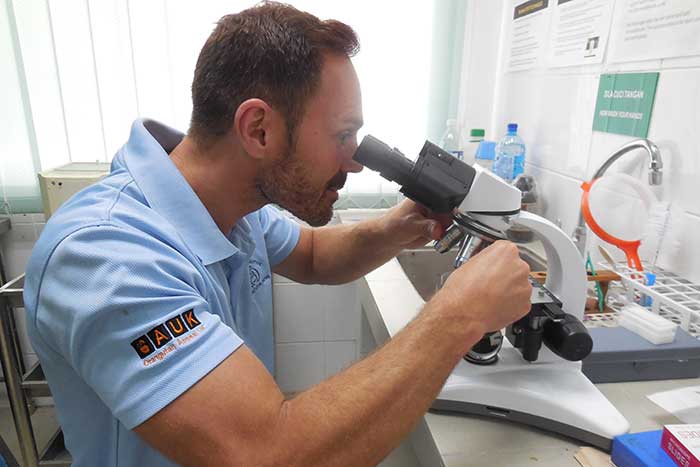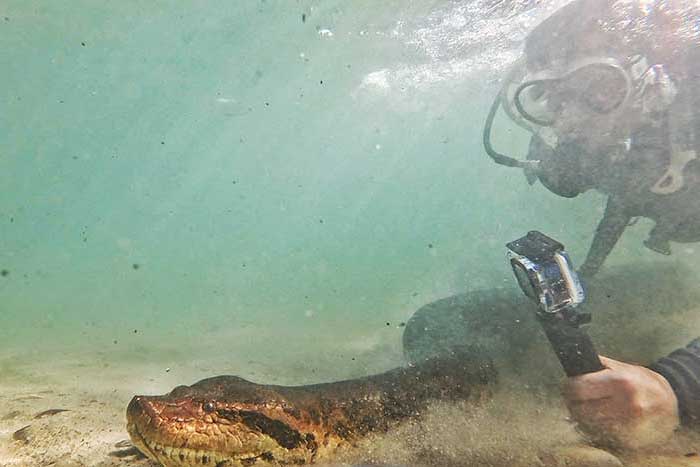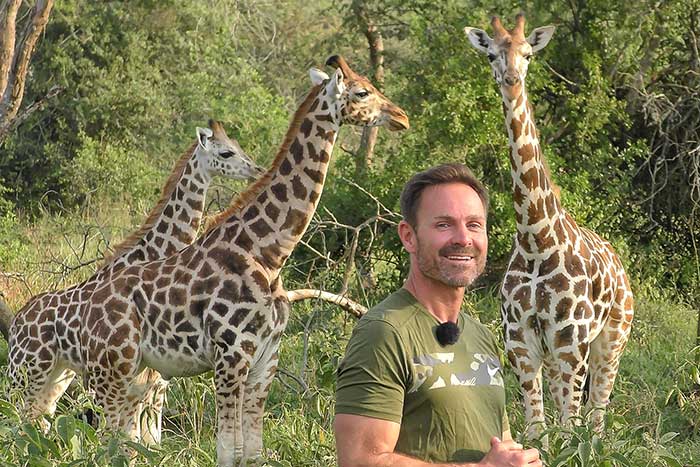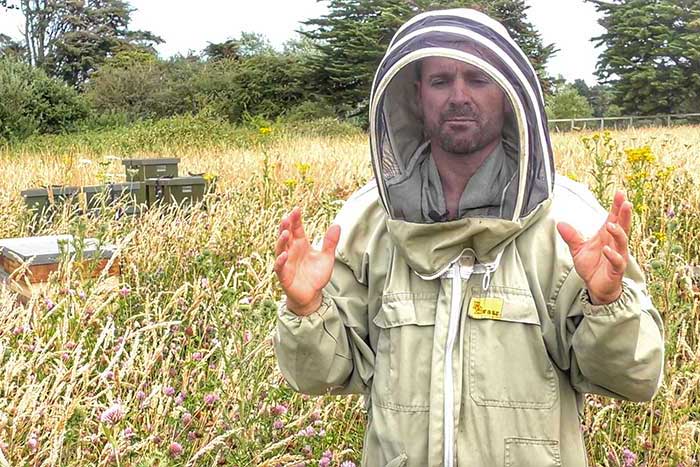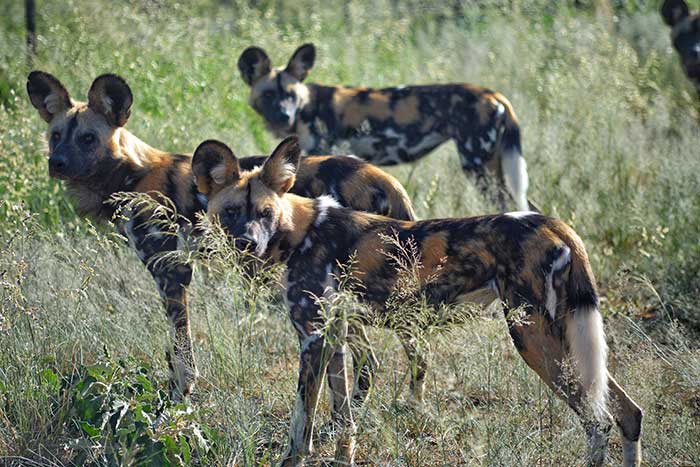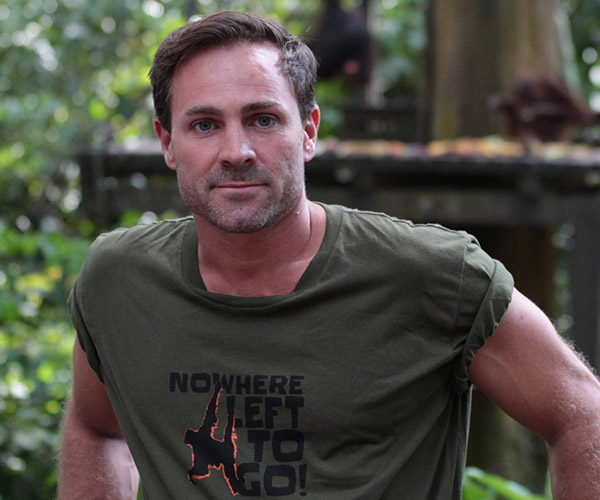
From fighting monsters on the movie screen… to meeting the real creatures behind the legends. Microbiologist, wildlife filmmaker and Hollywood stuntman Nicholas Daines travels the globe confronting the world’s most misunderstood animals, separating myth from reality in an age where social media, AI imagery, and blockbuster cinema distort our understanding of wildlife. Having spent years performing high-risk stunts against dragons, monsters, and reimagined beasts in major films, Nicholas now seeks out the real predators, giants, and venomous animals that inspired those legends.
Each episode combines scientific insight, real-world encounters, and emotional storytelling, dismantling fear-based myths while revealing the truth behind some of nature’s most formidable species. This is wildlife storytelling where cinematic myth meets biological reality.
Nicholas has spent a career confronting danger, performing full-body burns, high falls, vehicle impacts, and complex action sequences on some of the world’s biggest film sets. Now he applies the same calm, controlled risk management to real wildlife encounters, bringing both scientific credibility and physical authenticity to the screen. His unique perspective allows him to explain how cinema creates monsters, and why real animals deserve understanding instead of fear.
Public perception of wildlife has never been more distorted:
- AI-generated animal imagery is spreading rapidly online
- Social media encourages staged or misleading wildlife encounters
- Films increasingly portray animals as ruthless killers
These narratives shape public behaviour, conservation policy, and attitudes toward wildlife. Stuntman in the Wild challenges these myths directly. By meeting the animals face-to-face, Nicholas replaces sensationalism with truth.
In the Wild
Q. Every story has a beginning, what was the moment that pulled you out of the ordinary world and into a life shaped by the wild?
It wasn’t a single moment, but a growing awareness. I’d spent years performing stunts against creatures designed to look dangerous and trigger fear. With my scientific training, I knew that real animals don’t operate like that. The turning point was recognising the gap between how we portray nature and how it actually is. I realised I didn’t just want to perform danger, I wanted to understand it, and help others understand it too. That’s really where Stuntman in the Wild began, at the intersection of myth, science, and experience.
Q. Deep in the forests of Borneo, you’ve come face to face with orangutans, can you take us back to a moment that changed the way you see the natural world?
In Borneo, I had a moment where an orangutan moved through the canopy above me, completely aware of me, but not threatened. There was no aggression, just a calm, deliberate presence, almost like I was being quietly assessed. And what struck me was how intentional it felt. It shifted something for me. You realise very quickly that the danger we associate with wildlife often comes from misunderstanding, not reality. And that most animals are far more measured, far more energy-efficient, and far less interested in conflict than we are led to believe.
Q. From stunt work to the jungle, your path hasn’t been conventional, how has that physical and mental resilience shaped the way you operate in the wild?
Stunt work teaches you that fear isn’t the problem, misjudging risk is. On set, everything looks chaotic, but it’s actually controlled and calculated, and that mindset carries directly into the wild. The difference is you don’t control the environment anymore, so you learn to read it instead, body language, space, timing. Physically it keeps you calm under pressure, but mentally it teaches you restraint, and that’s critical around wildlife.
Q. When the camera is rolling and the environment is unpredictable, what drives you to keep pushing deeper into the story?
What drives me isn’t the danger, it’s the responsibility. You’re not just capturing something dramatic, you’re representing that animal honestly. That means staying present, even when things become unpredictable. Because the real story isn’t how dangerous something is, it’s how misunderstood it is. If I push deeper, it’s not to escalate the situation, it’s to get closer to the truth.
Q. If your work could leave audiences with one lasting feeling, one thing they carry with them long after the screen fades to black, what would you want that to be?
I’d want people to leave with a shift in perspective. Not fear, but understanding. If someone comes away thinking, maybe that animal isn’t what I thought it was, then we’ve done something meaningful. Because how we perceive animals shapes how we treat them, and respect starts with understanding. The wild isn’t as dangerous as we think, but our misunderstanding of it can be. The wild isn’t trying to kill you, it’s trying to survive. And there’s a big difference.
Nicholas in Action