In Africa, there are four species of pangolins, the white-bellied, black-bellied, giant ground, and Temminck’s ground pangolin, elusive mammals rarely seen in the wild.
Author: Maureen Gathoni
Love this story? Share it and help grow our wild community.
Pangolins are critically endangered are highly trafficked for their scales and meat, widely misunderstood, and remarkably difficult to encounter outside of specialized conservation efforts.
The Pangolin Rescue Centre is located within a rural landscape surrounded by coffee and tea plantations in Uganda. The road leading there is narrow and dusty, bordered by farms and small homesteads.
The center was founded by Moses Areinitwe, a former wildlife ranger who had spent years working in conservation. During his time in the field, he witnessed firsthand the growing threat faced by pangolins, animals increasingly targeted by the illegal wildlife trade and often misunderstood by local communities. Determined to create a safe place for rescued pangolins, he established the rescue center on his own land and has rescued and released over 165 pangolins.
My First Time Seeing A Pangolin
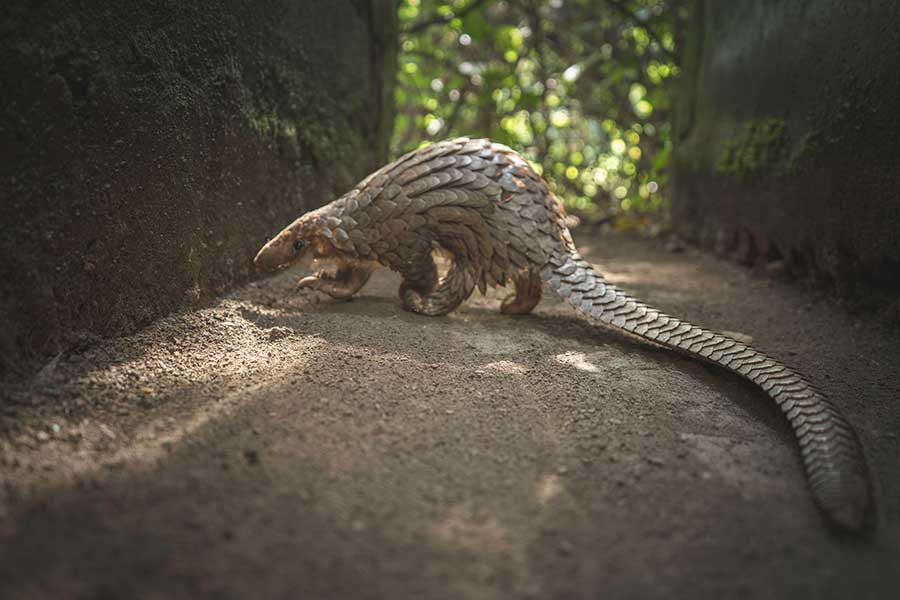
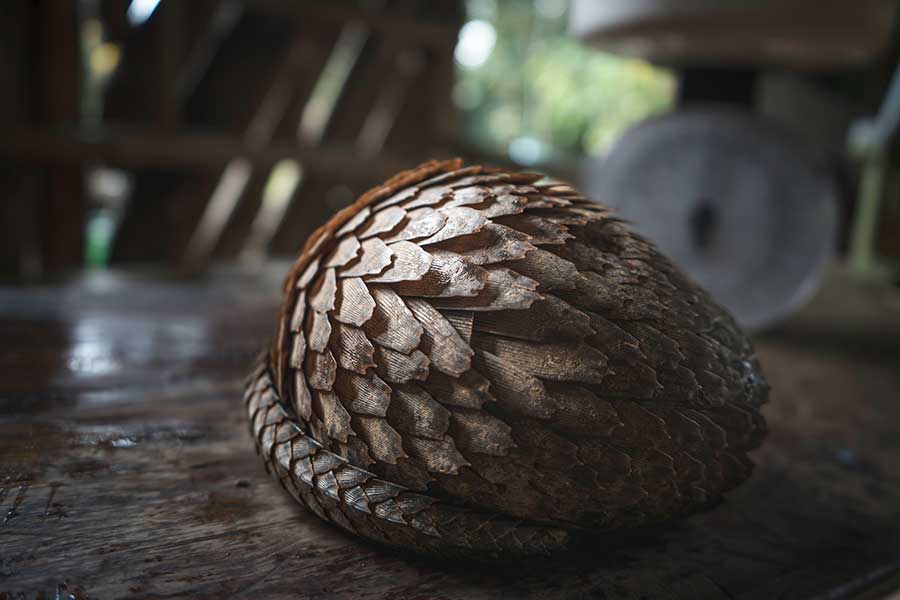
The first time I saw a pangolin, it was a surreal moment. At first, it was curled tightly into a ball, its body covered in overlapping scales that resembled armor. The scales caught the light as it shifted slightly, revealing a glimpse of its narrow snout and delicate claws.
Slowly it began to uncurl, stretching cautiously as though testing its surroundings. Its long snout hovered close to the ground as it sniffed the air. Despite its protective scales, the animal itself seemed incredibly gentle. I had seen photographs of pangolins many times before, but none of them fully captured the experience of seeing one up close. In that quiet moment, it was difficult to reconcile the fragile animal in front of me with the harsh reality that pangolins are the most trafficked mammals in the world.
On Standby to Rescue
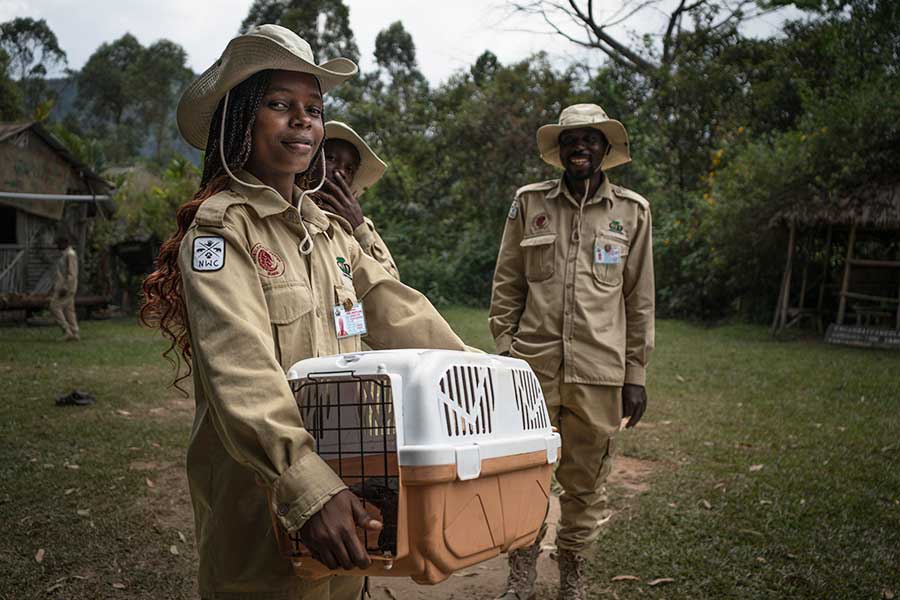
At the Pangolin Rescue Centre, the caregivers remain ready at all times. Rescue calls can come at any moment. Sometimes local authorities confiscate pangolins from poachers or illegal wildlife traders. Other times, local farmers discover the unusual animal wandering through their land.
Because pangolins are nocturnal and rarely seen, many people in the surrounding communities have never encountered one before. When one suddenly appears in a farmyard or near a home, confusion often follows. Some villagers mistakenly believe the animal poses a threat to their chickens, and in some cases, pangolins are injured out of fear or misunderstanding.
The rescue center works closely with local communities to change this perception. Villagers are encouraged to contact the center and bring the animal safely rather than harming it. Through outreach and education, the team is slowly building awareness that pangolins are harmless and worth protecting.

Rehabilitation and Care
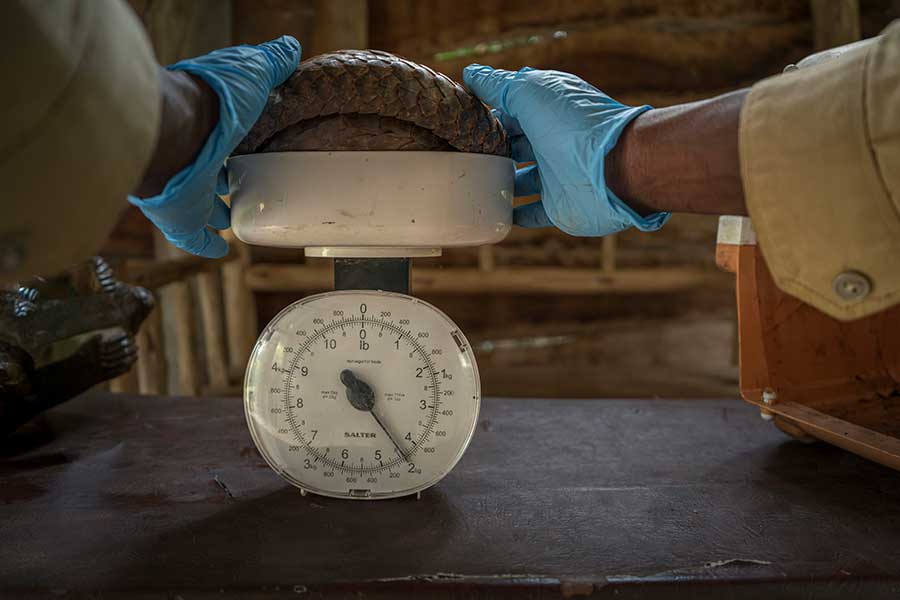
When a rescued pangolin arrives at the center, the first priority is assessing its condition. The animal is gently placed on a weighing scale to record its weight, an important measure of health. Caregivers examine the pangolin for injuries, dehydration, or signs of stress before determining the appropriate rehabilitation plan.
Pangolins are delicate animals that do not adapt easily to captivity, making their care particularly challenging. Every detail, from diet to enclosure conditions, must be carefully managed to support their recovery. Each pangolin is monitored closely as it regains strength. Small improvements, a slight increase in weight, stronger movement, a healthy appetite, signal progress.
Rehabilitation walks through the Tea fields
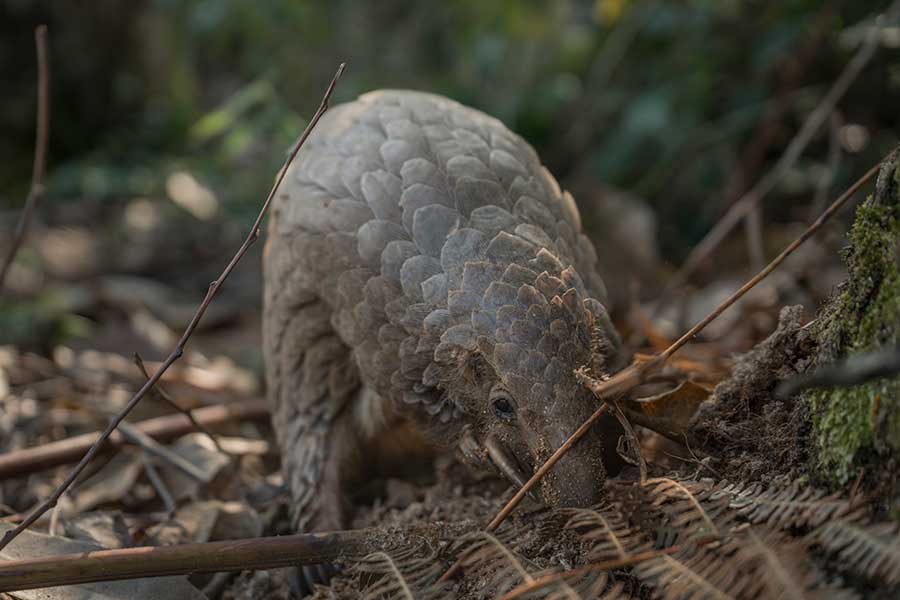
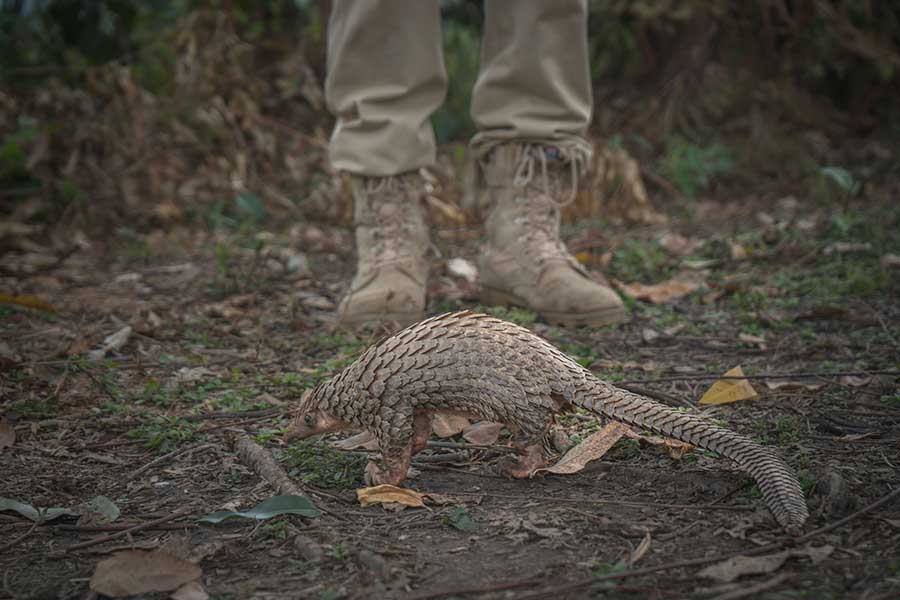
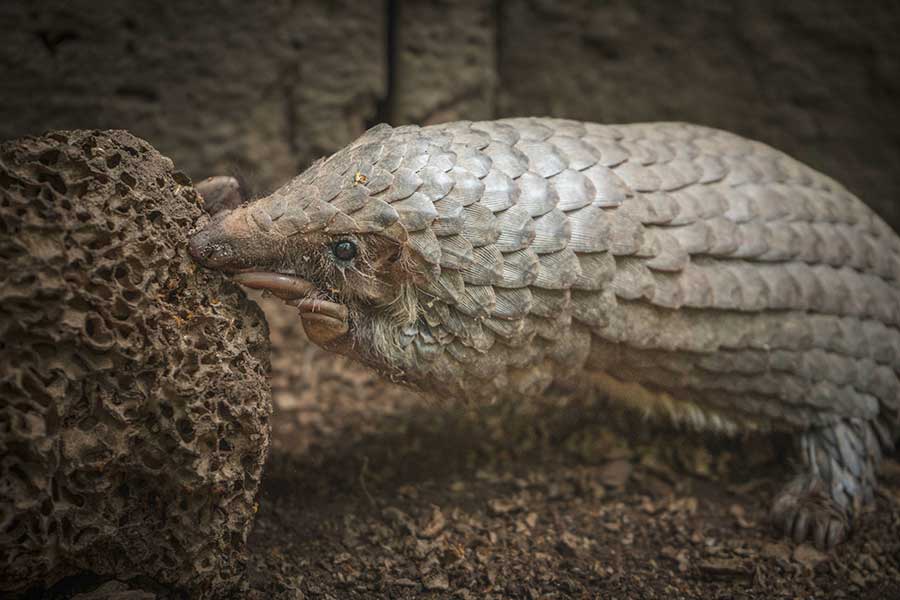
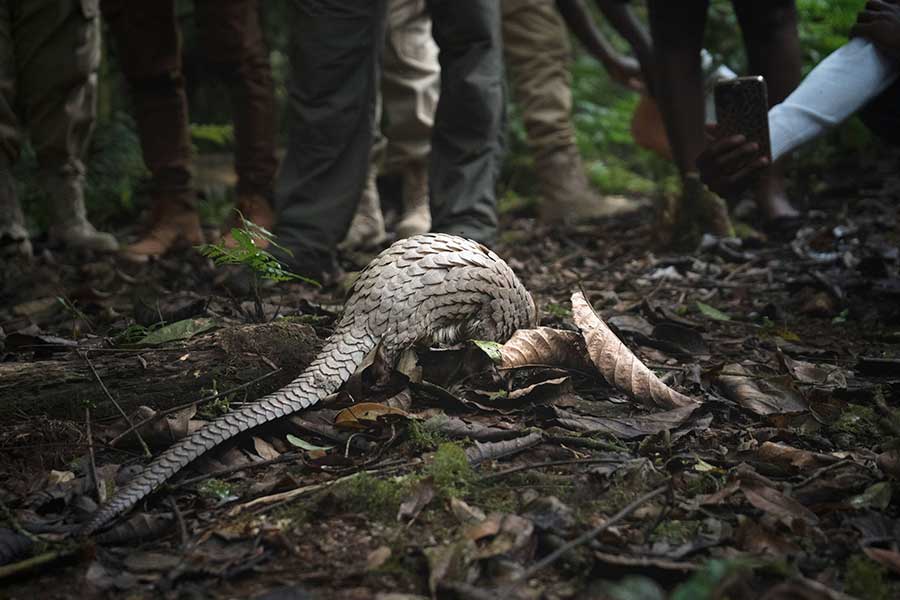
One of the most remarkable parts of the rehabilitation process takes place outside the centre. As pangolins begin to recover, caregivers take them on short walks through the surrounding tea plantations. These walks allow the animals to practice natural behaviors such as searching for ants and termites while gradually rebuilding their strength.
Watching a pangolin move slowly through the tea fields is a remarkable sight. Its nose remains close to the ground, investigating scents and probing the soil with its claws. The caregivers follow quietly behind, observing carefully but allowing the animal to move freely.
These gentle walks help rebuild the animal’s strength and instincts, preparing it for the moment it will return to the wild.
Returning to the Forest
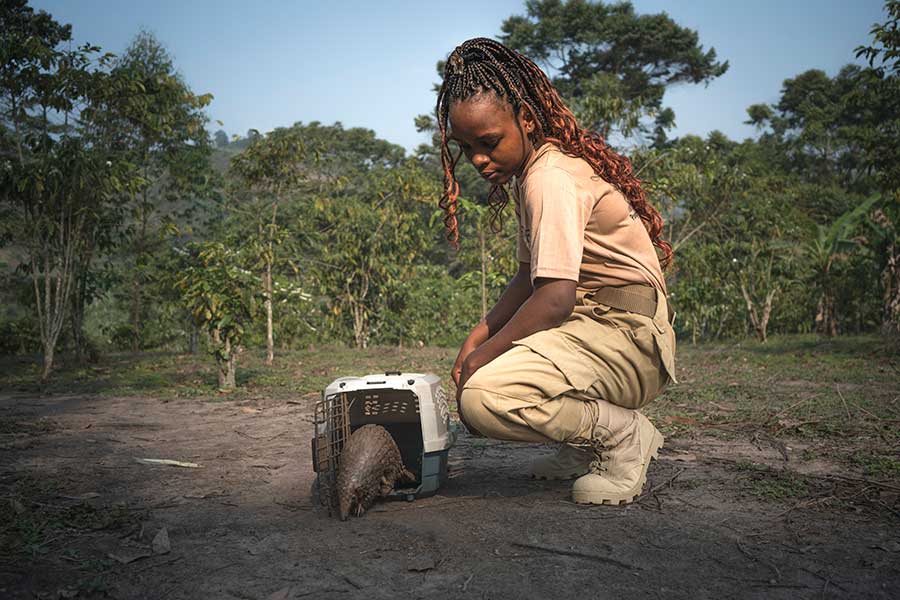
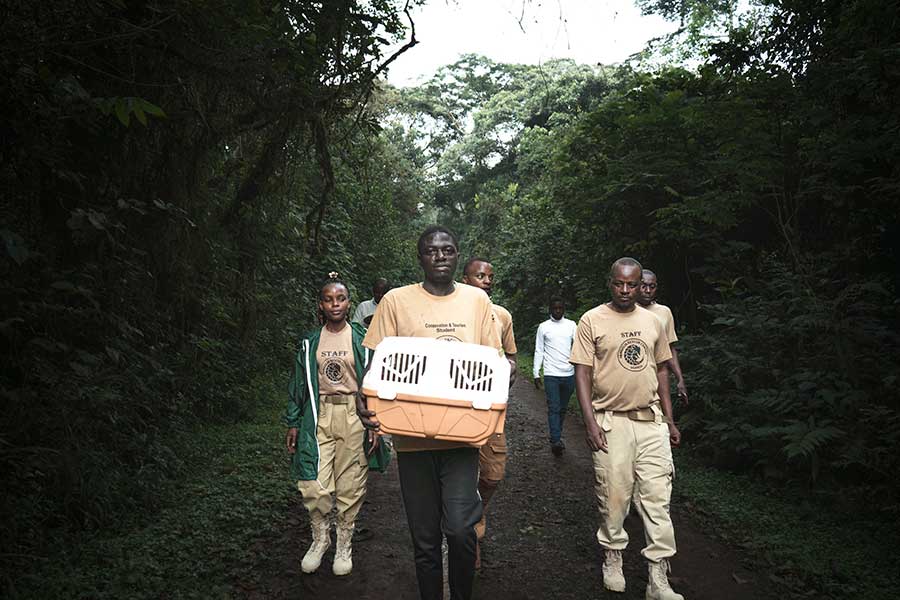
The ultimate goal of the rescue center is always release. Once a pangolin has regained sufficient strength and demonstrated that it can forage and move normally, plans are made for its release in collaboration with the Uganda Wildlife Authority.
Release locations are carefully chosen based on the species. Forest-dwelling pangolins, such as the white-bellied and black-bellied species, are returned to protected forests like Bwindi Impenetrable Forest, while savannah species, including the giant pangolin, are released into woodlands or grasslands that mimic their natural habitats. Matching species to suitable ecosystems ensures the animals have the best chance of survival.
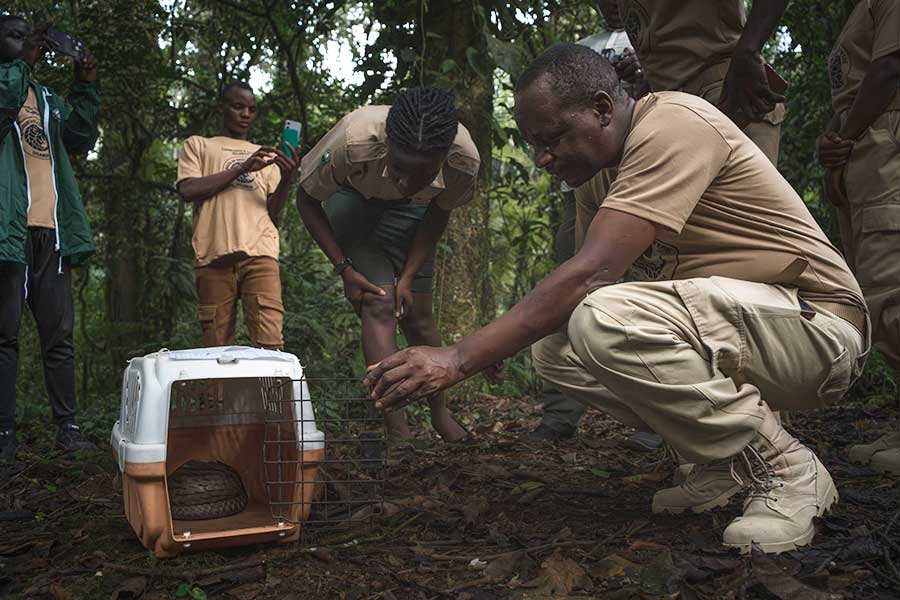
At the release site, the pangolin is placed gently on the ground and allowed to move freely into its natural environment. Often, within moments, it disappears into the undergrowth, returning to the forest where it belongs.
Conservation Beyond Rescue
The rescue center’s work extends beyond pangolin rescue as they also rescue other wildlife species. Recognizing that conservation must involve local communities, the center also supports programs designed to provide alternative livelihoods.
Former poachers are encouraged to participate in beekeeping initiatives, fish farming and pig rearing allowing them to earn an income without relying on hunting. Women in nearby communities are supported through mushroom-growing projects that provide additional sources of income for families.
These programs strengthen the relationship between the rescue center and the surrounding communities while reducing pressure on wildlife.
The Pangolin Rescue Centre is also open to visitors and has become a meaningful tourist attraction. It is located just a 20minutes from Bwindi Impenetrable Forest, and visitors can learn about pangolins, observe the rehabilitation process, and support the center’s conservation work through donations.
Each rescued pangolin represents hope. And each release back into the wild is a reminder that conservation often begins with the determination of a few individuals committed to protecting what remains.
Help protect pangolins and support the conservation work behind this story.
Donate here: https://givebutter.com/pangolin

Maureen Gathoni (she/her) is a dedicated conservation photographer from Kenya. Her work entails documenting the interconnected stories of people, wildlife and conservation. Her goal is to create meaningful visual stories that inspire conservation action and support environmental and conservation protection.
Maureen’s aspiration comes from her mother who was the first female ranger in Ol Pejeta Conservancy, Kenya and is inspired to document heroes like her mother who are driving change in conservation.