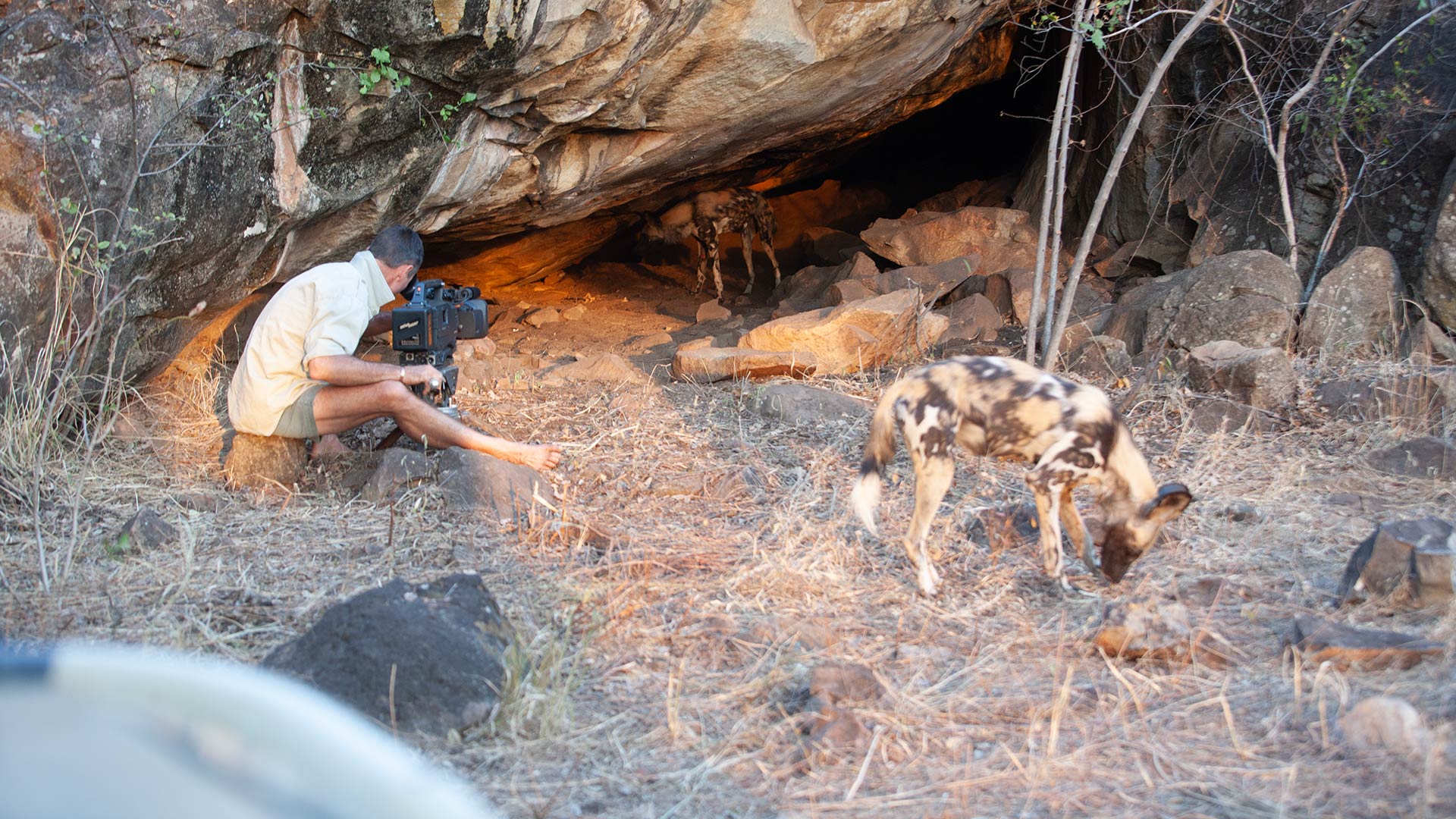
Photographing Elephants Beneath Kilimanjaro
There are few places on Earth where scale, drama, and wildlife converge quite like Amboseli National Park. Picture vast, open plains dusted in red earth, towering elephant herds moving with quiet purpose, and the unmistakable silhouette of Mount Kilimanjaro rising on the horizon.
Author: Andrew Macdonald
Love this story? Share it and help grow our wild community.
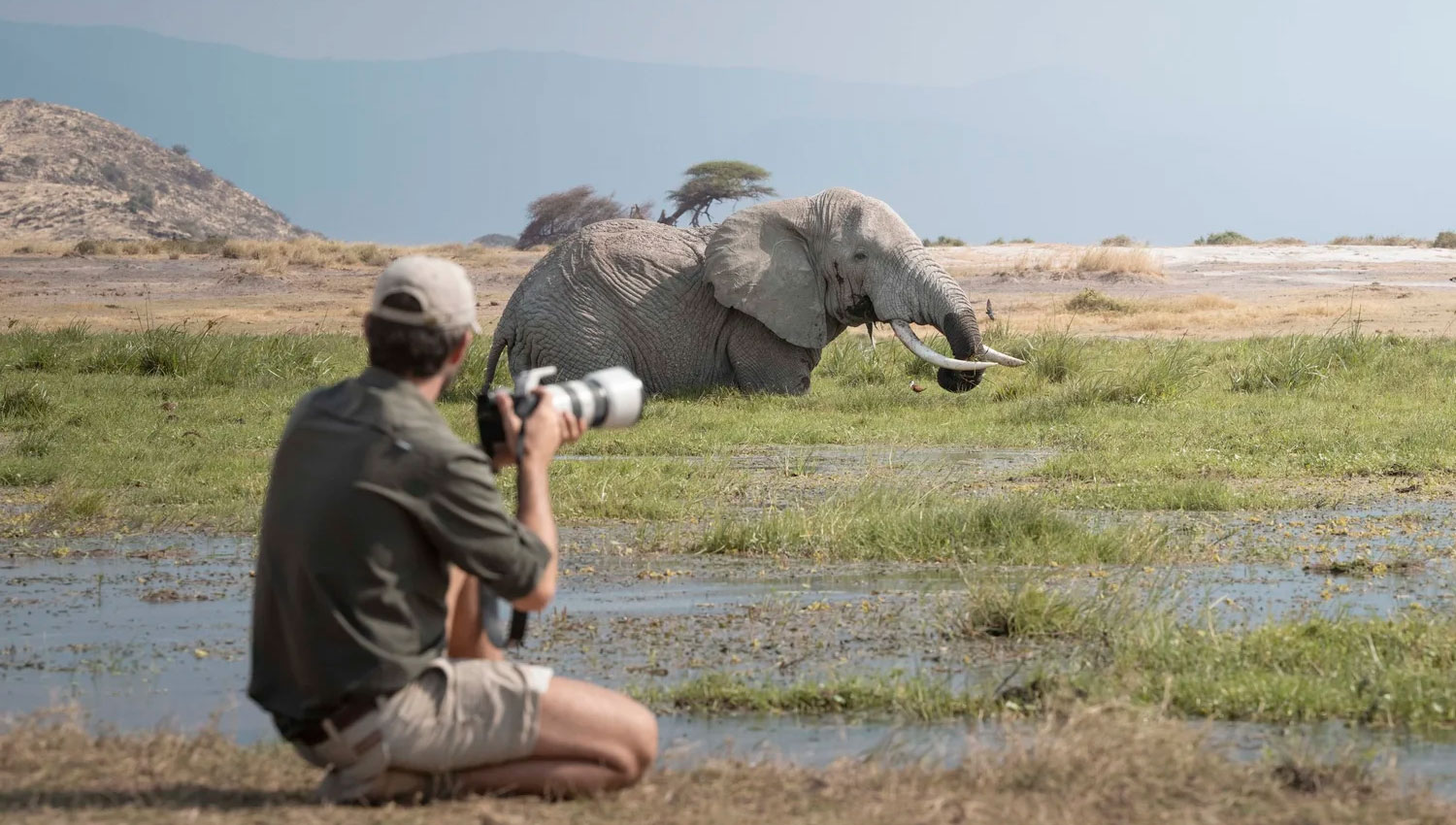
Set in southern Kenya along the Tanzanian border, Amboseli is one of East Africa’s most iconic safari destinations, not only for its cinematic landscapes but for the intimacy of its wildlife encounters. For photographers and wildlife lovers alike, this is a place that delivers moments you never forget.
Covering roughly 392 square kilometres, Amboseli sits within a much larger ecosystem spanning over 8,000 square kilometres. It is this broader landscape that supports the park’s famous elephant population, one of the largest and most studied elephant communities in Africa.
Life on the Lakebed, Dust, Light, and Perspective
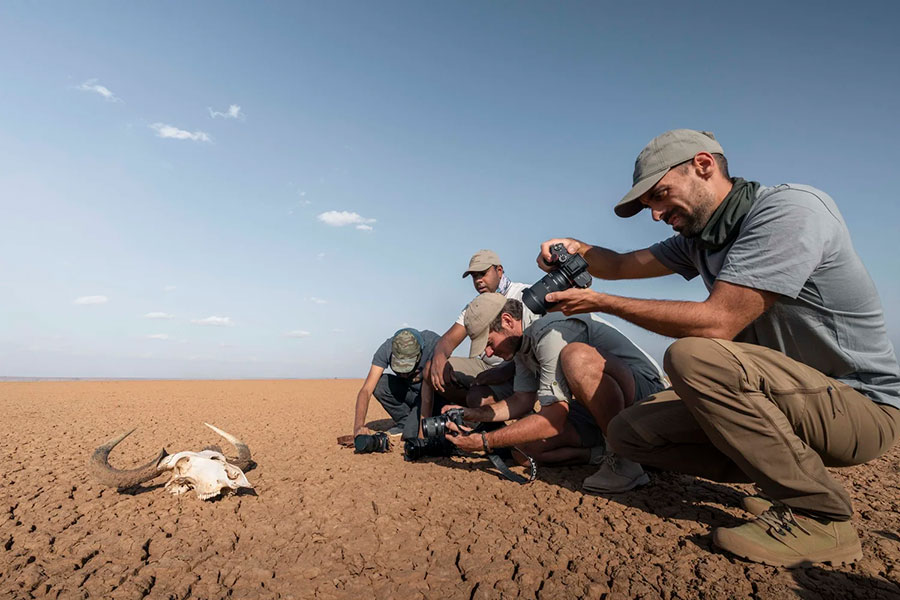
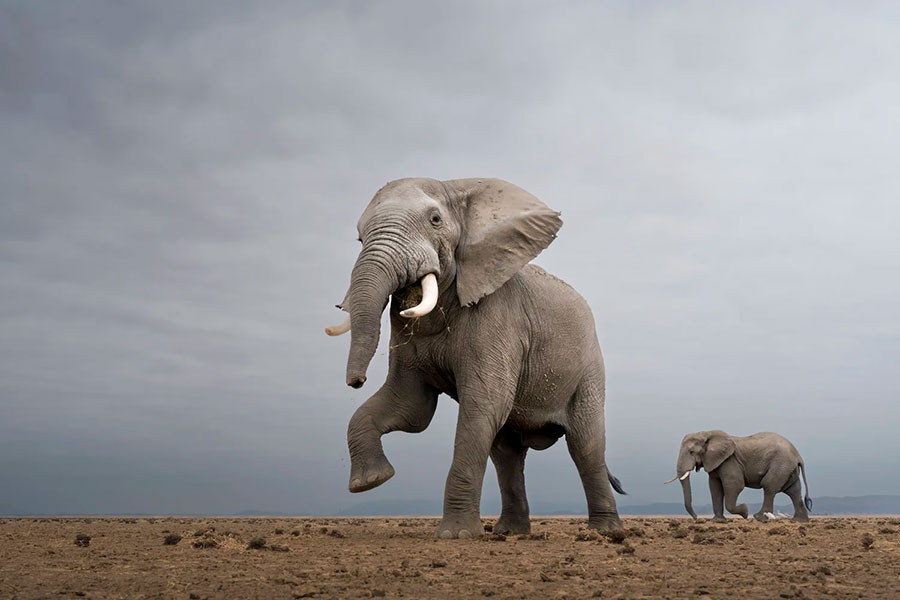
The dry lakebed of Amboseli is a photographer’s playground. Flat, open, and seemingly endless, it allows for clean compositions and striking low-angle perspectives that are hard to find elsewhere.
Here, elephants stride across cracked earth in single file, their feet kicking up clouds of fine dust that catch the light beautifully.
Shooting low exaggerates their size and presence, turning already impressive animals into true giants of the frame.
It is raw, minimal, and incredibly powerful, a reminder that sometimes less background creates more impact.

Tracking a Legend, Craig the Big Tusker
One of Amboseli National Park’s most famous residents was Craig, widely regarded as one of the most iconic and most photographed elephants in Africa. Towering and unmistakable, with enormous tusks that famously scraped the ground, Craig became a living symbol of Amboseli’s great tuskers and a true legend of the African wilderness. With over 1,000 elephants roaming the park, finding one specific individual can feel like searching for a needle in a haystack. But thanks to David, a local Maasai tracker and trusted friend on the ground, locating Craig during our time in Amboseli was possible. David’s deep, daily connection to the land and its wildlife offered us an insight and experience that few safari visitors ever get.
In early 2026, Craig sadly passed away of natural causes. He lived a long, wild life and remained a dominant presence in Amboseli until the very end. His passing marks the end of an era, not just for Amboseli, but for elephant lovers and photographers around the world. Having the privilege to meet and photograph Craig in September 2024 is something I’ll forever be grateful for. Standing in his presence was humbling and deeply emotional, a reminder of both the power and fragility of these magnificent giants. These images are no longer just photographs; they are moments in time with a true icon of the wild.
Beyond the Giants, Amboseli’s Wider Cast
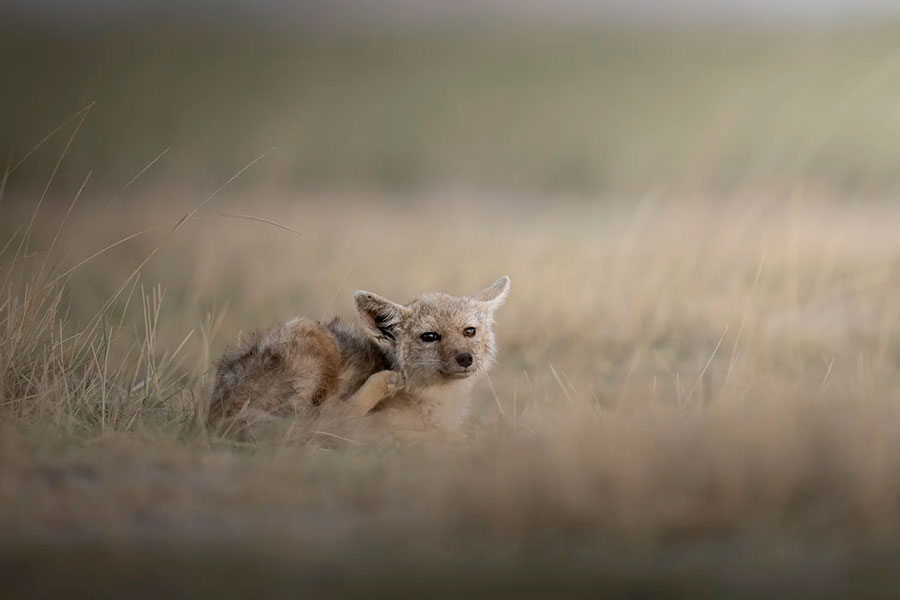
While elephants dominate the narrative, Amboseli’s biodiversity adds depth and variety to every day in the field. Lions patrol the plains, cheetahs scan the horizon, and hyenas drift through the dust at dawn and dusk. Giraffes, zebras, buffalo, and an impressive list of birdlife ensure that no two drives are ever the same.
What makes Amboseli truly distinctive is its semi-arid ecosystem. Despite its dry appearance, underground water flowing from Kilimanjaro’s glaciers feeds lush swamps that punctuate the dusty plains. These green ribbons of life draw animals year-round, creating dramatic contrasts between wetland and desert.
The name “Amboseli” comes from the Maasai word Empusel, meaning salty dust place, and one visit is all it takes to understand why.
A First Encounter, Six Nights in Amboseli
September 2024 marked my first visit to Amboseli, a destination that had been high on my list for years. Alongside Valentin, who now co hosts safaris with me in Kenya, we guided a small group of guests on a six night photographic safari focused on both elephants and storytelling through images.
Finding Craig on our very first afternoon drive set the tone for the week. Standing before such a well known yet utterly wild animal was surreal, a reminder of why we travel and why we photograph.
Capturing an elephant as iconic as Craig comes with its own challenges. Originality is not always about creating something never seen before, sometimes it is about presence, about being there. These images are markers of a moment shared with a legend.
Light, Patience, and Timing
In Amboseli, patience pays dividends. The park’s mix of scrub, woodland, and open flats means elephants often move in and out of cover. Waiting for that moment when a subject steps into clean space, with open ground around the feet and tusks, is key.
Soft light transforms everything. When Craig finally emerged into an open area, bathed in warm tones, the result was everything we had hoped for. Those moments cannot be rushed, they have to be earned.
Sunrise to Sunset, The Amboseli Rhythm
Safaris in Amboseli move at a different pace. This is not a destination for long lunches and afternoon siestas. Days begin before sunrise and often stretch well beyond sunset, with packed meals and full day game drives becoming the norm.
Unlike parts of Southern Africa, where activity peaks around golden hour, Amboseli delivers all day long, even under harsh midday light. Out on the lakebed, strong contrast and deep shadows enhance the story, reflecting the tough realities of life in this environment.
It can be intense, and at times busy, especially near popular sightings. But experience, planning, and local connections make all the difference, allowing us to work away from the crowds and focus on quality time in the field.

The Magic of Waiting
The lakebed is quiet. Vast. Almost otherworldly.
Some of our most memorable moments came not from constant movement, but from waiting, resting under sparse trees at the edge of the flats, watching the horizon, letting the day unfold. When herds eventually crossed the open ground, every dusty, sun-soaked hour felt worth it.
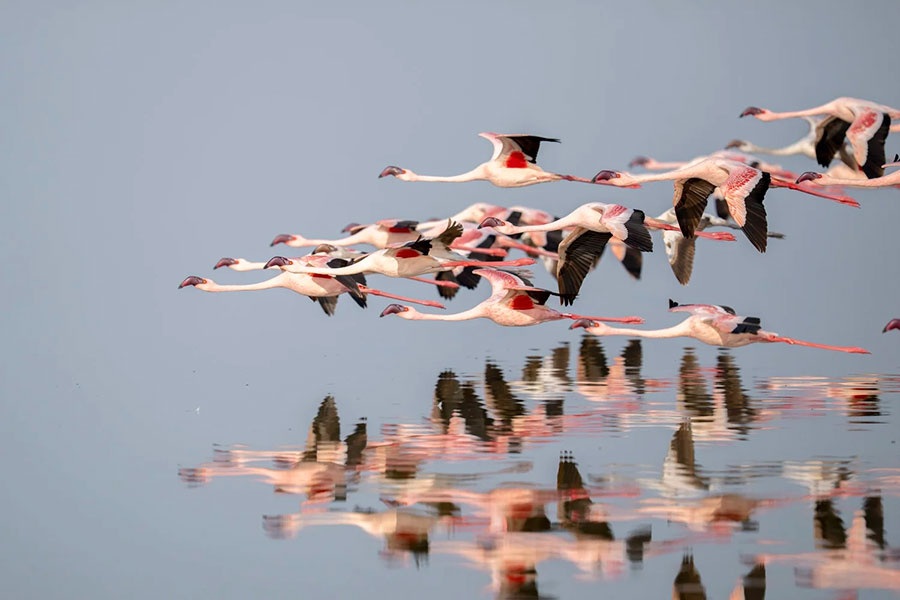
While elephants were our focus, variety mattered. From kingfishers and newborn gazelles to zebras clashing and wide-angle landscapes, the goal was always to tell a complete visual story, wide, tight, dramatic, and intimate.

When to Experience Amboseli
January to March, Hot and Dry
Clear visibility, concentrated wildlife, and excellent light, though midday temperatures can climb.
April to June, Long Rains
Fewer visitors and lush scenery with dramatic skies. Access can be more challenging, but rewards are high for creative photographers.
July to October, Cooler and Dry
Peak season for good reason, comfortable temperatures, excellent elephant sightings, and frequent views of Kilimanjaro. Book early.
November to December, Short Rains
Greener landscapes return, migratory birds arrive, and crowds thin out. Showers are usually brief.

A Place That Stays with You
Whether you are chasing light, ticking off a lifelong dream, or simply sitting in silence as elephants move through the dust, Amboseli leaves a mark. It is not just about what you see, it is about how it makes you feel.
If this story has sparked your curiosity, there is a behind the scenes video from the trip available below that captures the rhythm, challenges, and magic of photographing in Amboseli.
And if you would like to explore the possibility of joining a future photographic safari, whether as part of a small group or on a private, tailored experience, that conversation is always open.
Thanks for reading. I hope to see you out there, somewhere dusty, with elephants on the horizon.
– Andrew

Andrew Macdonald is an award-winning wildlife photographer, filmmaker and safari host from Scotland, based in Cape Town. He creates conservation-led visual stories across Africa and hosts immersive photographic safaris, combining deep field experience with ethical wildlife storytelling to connect people with the natural world.