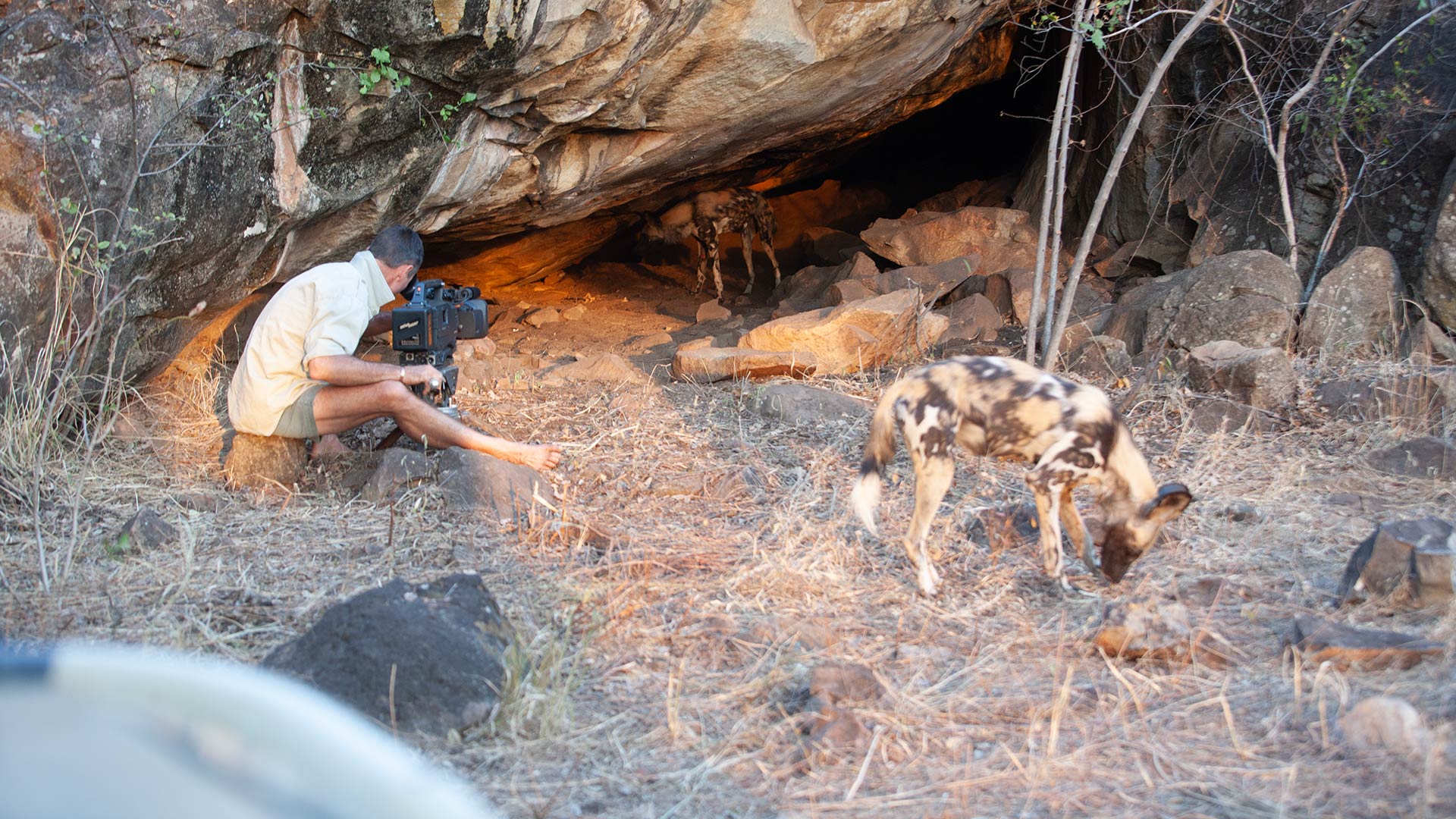
Wildlife documentary line producer Yvette Oosthuizen swaps the production nerve centre for 12°C kelp forests off Cape Town, sharing why cold-water adventure freediving stole her heart.
Author: Yvette Oosthuizen
Love this story? Share it and help grow our wild community.
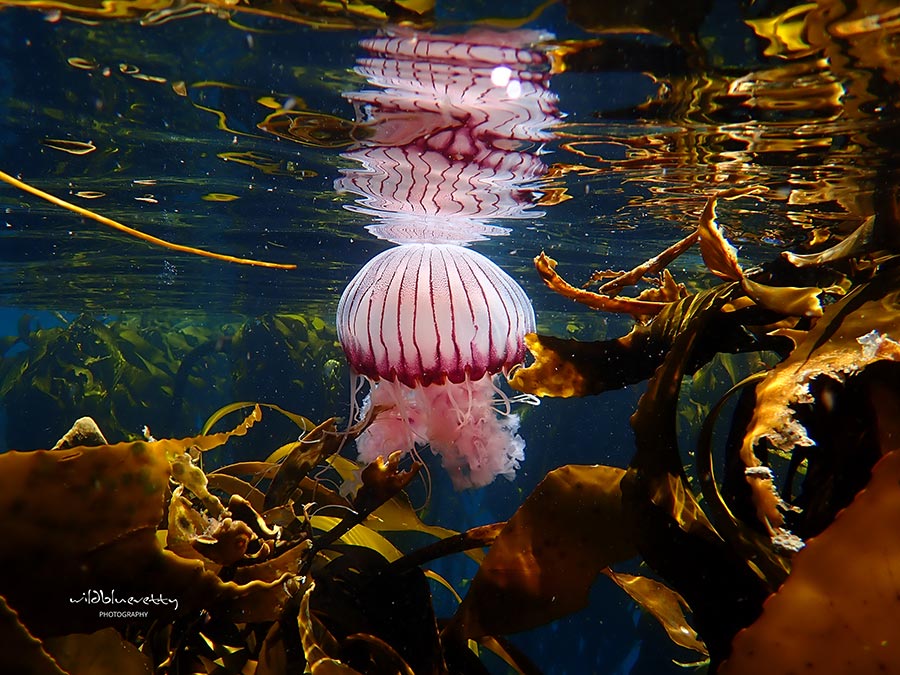
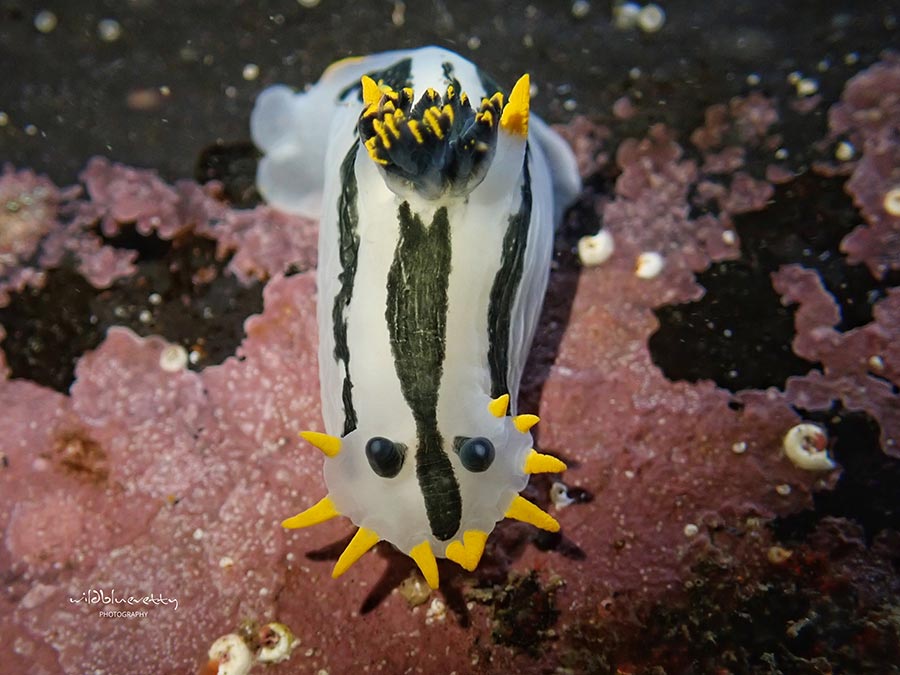
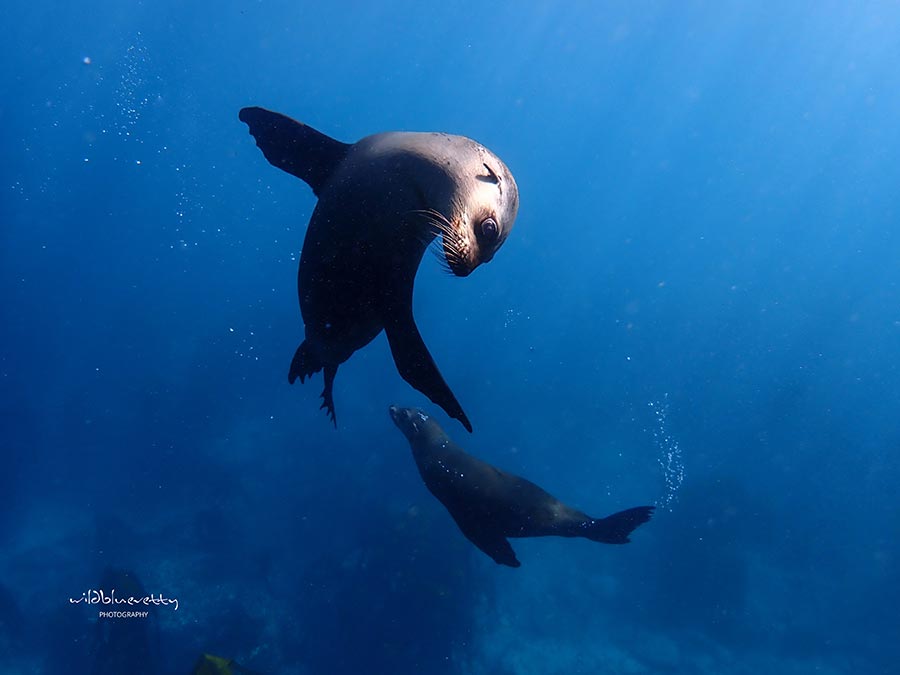
Quick Facts
- Home base: Southern Peninsula, Cape Town, South Africa
- Water temp: ~12°C
- Kit: 5 mm wetsuit + 6 kg weight belt
- Typical breath-hold (while shooting): ~1 minute
- Favourite locals: Pyjama sharks, forests of golden kelp
Meet Yvette
I’m Yvette, a wildlife documentary professional living on the southern peninsula of Cape Town. My days revolve around three things: work, walking my floof, and at the centre of it all, freediving and photographing our kelp forests. You might have glimpsed this world in the Netflix original My Octopus Teacher (blink and you’ll catch my name in the end credits). That film was a peek; the real thing is extraordinary.
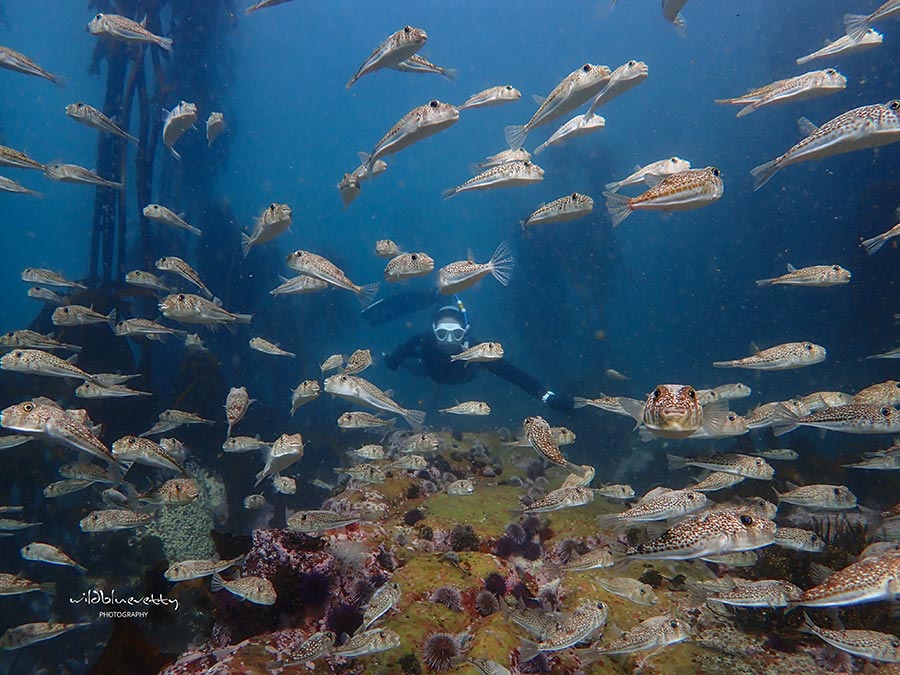
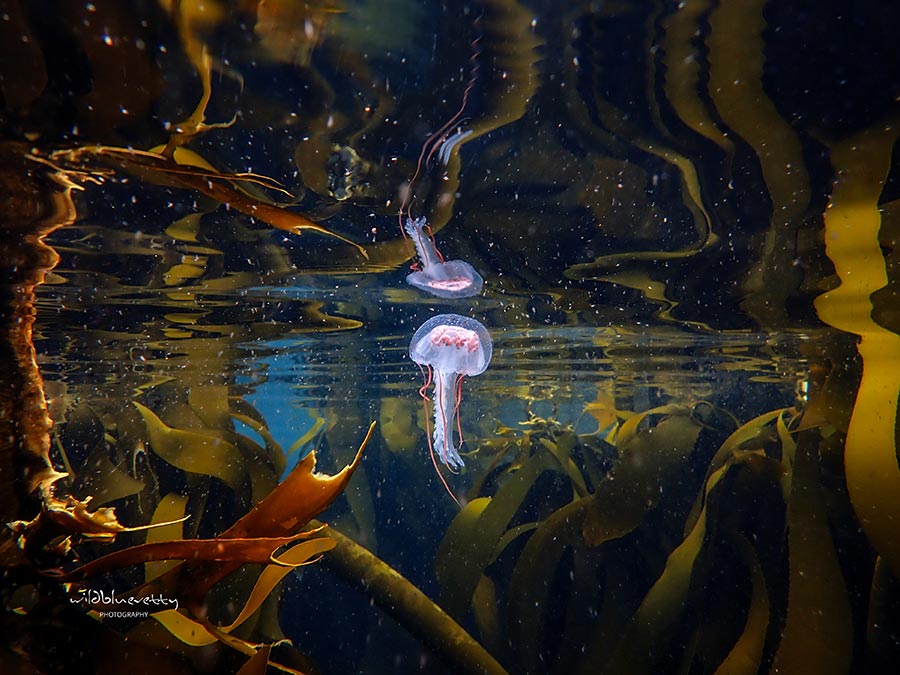
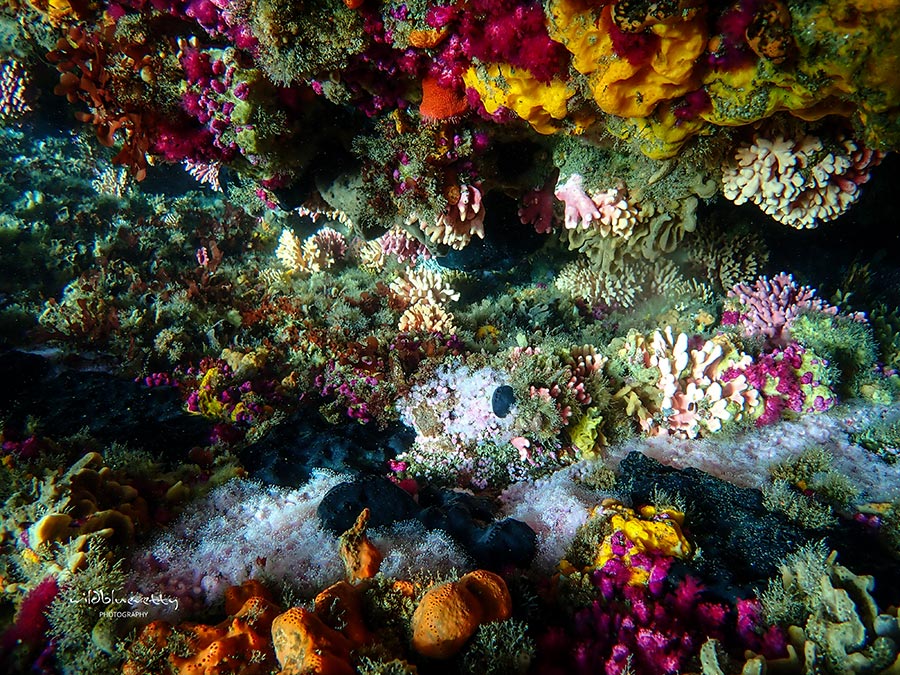
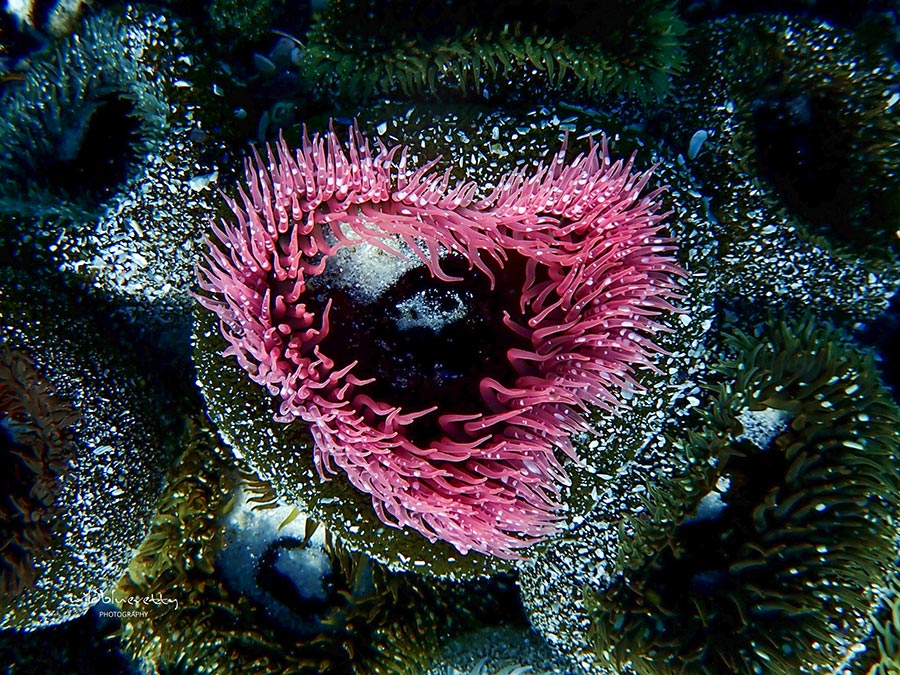


What “adventure freediving” means here
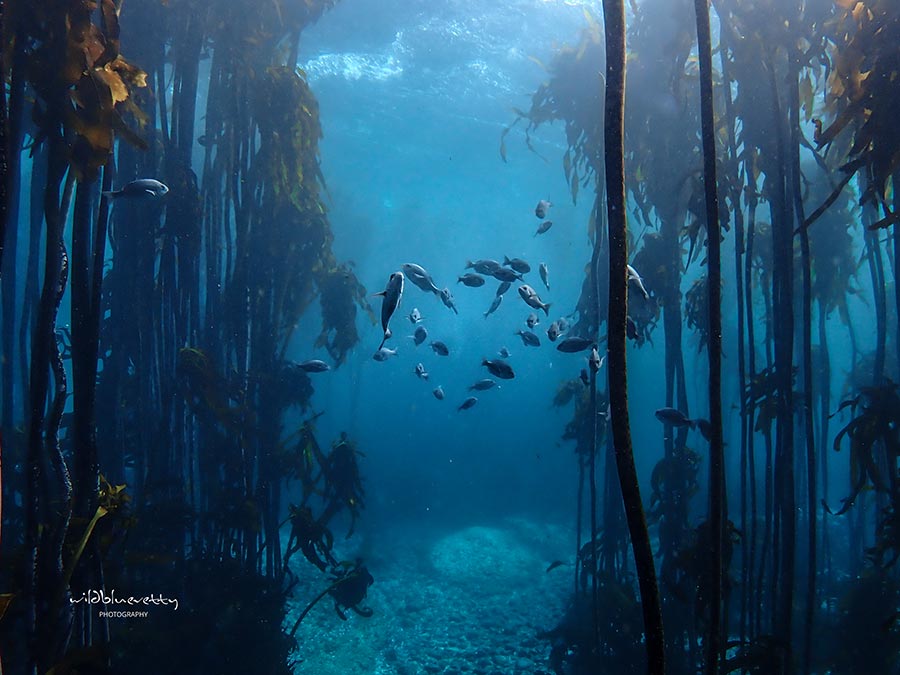
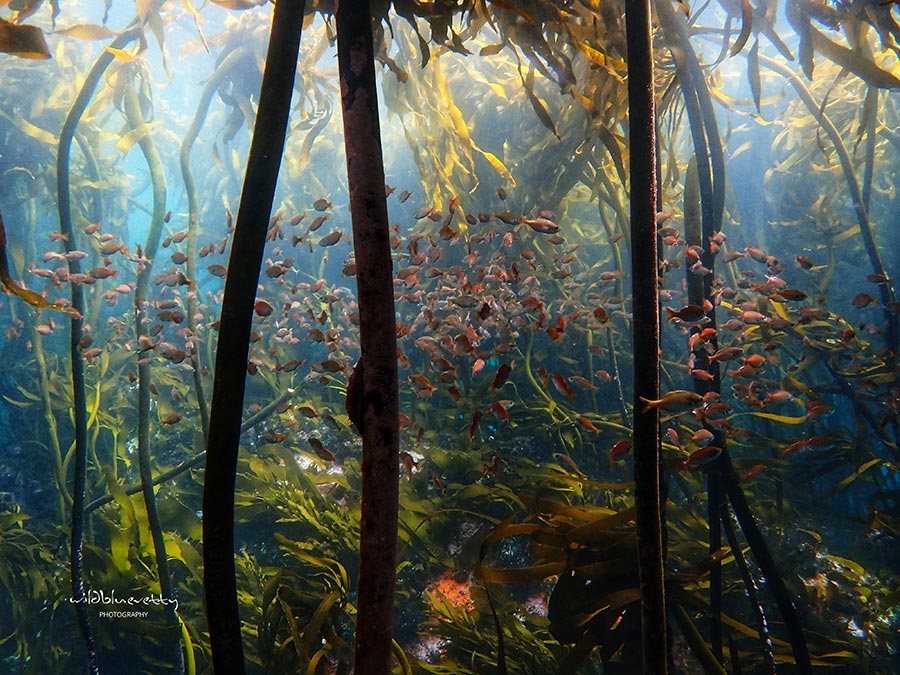
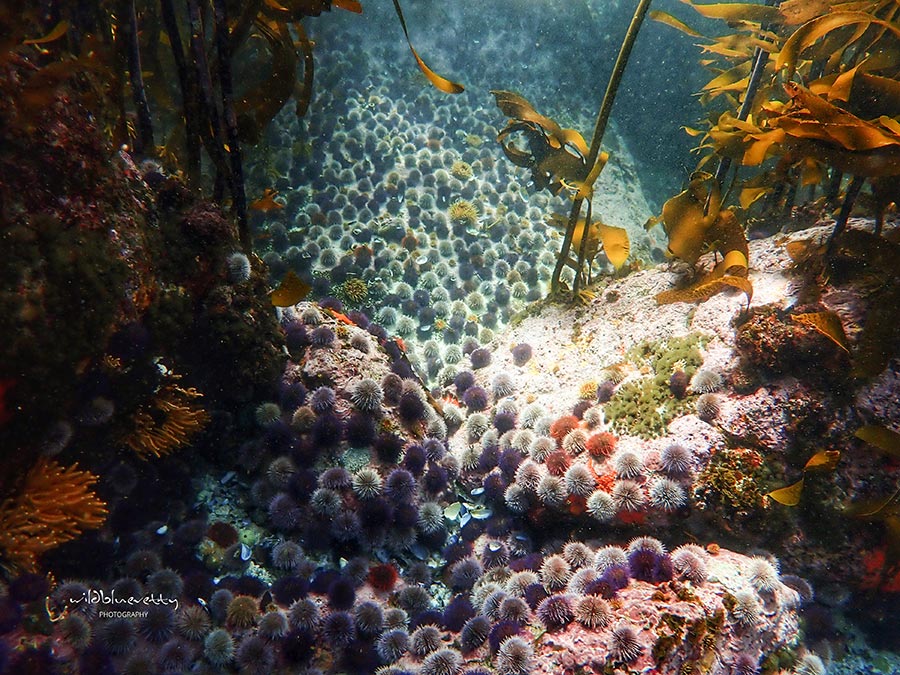
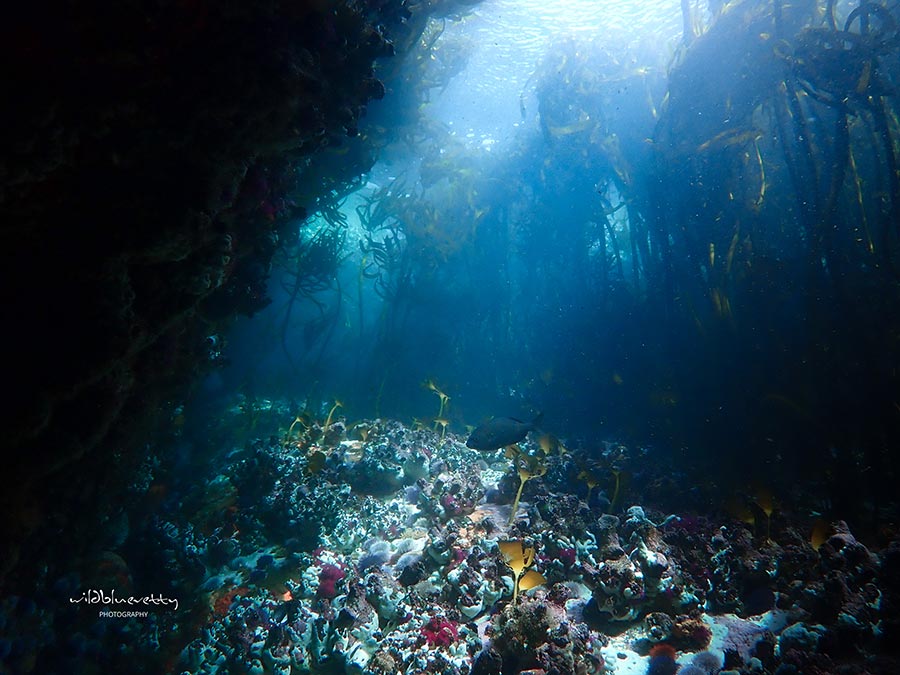
People often think freediving is only about chasing depth on a line in warm, clear water, a zen descent into the blue. That’s competitive freediving. In the Great African sea forest, adventure freediving is different: cold, textured, alive with surge and kelp. It’s less about meters and more about moments with curious creatures and shifting light.
I once paused at the bottom of a training line and heard humpback whales singing. On the way up a tiny sparkle caught my eye. My first thought wasn’t “What depth am I at?” but “Where’s my camera?” That’s me in a nutshell: I’m here for the encounters.
So… how long can you hold your breath?
There isn’t one answer, it depends on the dive. In 12°C water, compressed in a 5 mm suit, with a 6 kg belt, working against surge and weaving through kelp while framing a shy pyjama shark, my working breath-hold is about a minute. Long enough for patience; short enough to keep me honest.
Why I photograph underwater
In a loud world, the reef crackles, the light softens, and everything makes sense. Sharing images is my way of offering a little joy and wonder, and of inviting more people to care about this place. We protect what we love. As adventure freediving grows here, more hearts are tied to the forest. That’s priceless.
An invitation
If the kelp forests speak to you, come along: read, share, and join our community. The more eyes on this sea forest, the better its chances.
If my story has you itching to slip beneath the surface, here are great places to start:
- Cape Town Freediving https://capetownfreediving.com/
- Internationally, the world PADI offers courses https://www.padi.com/help/freediving-faq and
- AIDA for serious freedivers: https://www.aidainternational.org/Education/AIDAFreedivingCourses

Yvette Oosthuizen is a freediver and underwater photographer with a deep connection to Cape Town’s kelp forest ecosystems, documenting these environments through powerful imagery and storytelling. Alongside her ocean work, she contributes to international natural history and documentary projects, bringing strong production insight and a commitment to ethical wildlife representation.